Beyond Gurugram and Noida: Why Grade B Offices in Delhi Make Sense Now
Running a successful business in peripheral areas like Noida or Gurugram takes vision and smart decision-making. For years, that same business sense probably told you that a Central Delhi address was off the table – the economics simply didn’t work. The premium you’d pay for a Central Delhi location would drain resources from other critical business needs.
But the commercial real estate market has fundamentally changed. While much attention focuses on Delhi’s luxury developments or troubled office-to-residential conversions, savvy business owners are discovering a compelling middle ground that few talked about three years ago: Grade B buildings in prime Delhi localities.
Why are these buildings emerging as attractive options for tenants relocating from peripheral areas? It’s simple, really: a balance of cost-effectiveness, improved amenities, and strategic access to transportation that aligns perfectly with post-COVID tenant priorities.
Grade B Offices: Delhi’s Smart Business Solution
Premium Location • Cost Effective • Future Ready
Grade B
per sq ft/month
Grade A
per sq ft/month
Peripheral Areas
per sq ft/month
Strategic Advantages
Business Benefits
Nehru Place
Tech Hub with Metro Access
Bhikaji Cama Place
Strategic South Delhi Location
Connaught Place
Premium Business District
Rajendra Place
Central Location with Metro
Janakpuri
West Delhi Business Hub
Rajouri Garden
Prime West Delhi Location
Moti Nagar
Industrial Area with Metro
Okhla
Industrial & IT Hub
Jhandewalan
Central Business Location
Dwarka
Emerging Business District
The Unfolding of Delhi NCR’s Office Market
While many predicted doom for Delhi NCR commercial real estate when COVID-19 struck, an unexpected silver lining emerged in the post-pandemic era: Grade B buildings now offer budget-conscious businesses a chance to plant their flag in Central Delhi without breaking the bank as compelling alternatives to premium spaces.
Affordability Advantage of Grade B Office Spaces
The numbers tell the story of Delhi’s changing office landscape. Grade B buildings currently show an 18% availability rate, down slightly from their 20% pandemic peak but still much higher than pre-COVID levels. For smart companies, these vacancies mean deals.
Recent moves highlight the opportunities. Several mid-sized IT companies have secured space in Nehru Place and Bhikaji Cama Place for ₹85-100 per square foot per month through flexible lease arrangements. Moving from Noida and Gurugram to these historic Grade B buildings helped them streamline operations while staying connected to staff and clients.
Similar logic drove multiple firms from Noida’s Sector 62 to Connaught Place’s outer circle. Their Delhi Grade B space costs around ₹150 per square foot – comparable to what they would pay in premium locations in Noida, but with the added prestige of a Central Delhi address.
The math makes the case clear: While Grade A buildings in prime spots like Aerocity still demand upwards of ₹250 per square foot, Grade B spaces run ₹85-150 per square foot. Even emerging business districts like Noida Expressway (₹65-85) and Golf Course Road, Gurugram (₹90-120) often cost more relative to the benefits they offer.
Proximity and Accessibility as Key Drivers
Location advantages compound the cost benefits of Grade B buildings. Delhi’s unmatched Metro network matters more than ever with today’s dispersed workforce. The city’s web of Metro lines and rapid transit corridors makes it uniquely suited for companies drawing talent from across the NCR.
Several tech startups’ moves from Noida to South Delhi shows why access matters. After struggling with limited connectivity in peripheral locations, they’ve found homes in areas like Nehru Place and Jasola, offering their employees seamless Metro access from all directions.
Distinctive Appeal of Grade B Buildings
Remember when people said you needed a glossy Grade A tower in Gurugram’s Cyber City to “make it” in Delhi NCR? Those days are gone. Smart companies are discovering that Grade B buildings pack serious advantages far beyond their lower price tags. These properties combine the benefits of prime locations with real flexibility – exactly what scaling businesses need at pivotal growth stages.
Tailored Solutions for Growing Businesses
Money saved on rent means more resources for growth, and Grade B buildings excel at keeping costs manageable while delivering real value. Landlords understand the challenges of scaling companies and often structure deals around your growth trajectory – think shorter lease terms, customizable spaces, and negotiable rental rates. It’s a stark contrast to the rigid terms typically found in Grade A towers.
Creating a Corporate Identity in Delhi
Let’s be real – a Central Delhi address hits differently and carries more weight. When you move from the periphery to a solid Grade B building in Delhi proper, people notice. Suddenly, you’re not just that tech company from Noida – you’re a serious player based in Nehru Place, Connaught Place, or Bhikaji Cama Place, right in the middle of where deals happen.
Challenges and Misconceptions of Grade B Buildings
It’s time to hit refresh on those “good enough” perceptions about Grade B office space in Delhi. While some commercial tenants still envision dated facilities and basic amenities, today’s Grade B buildings tell a different story.
Between Luxury and Basic – Finding the Sweet Spot
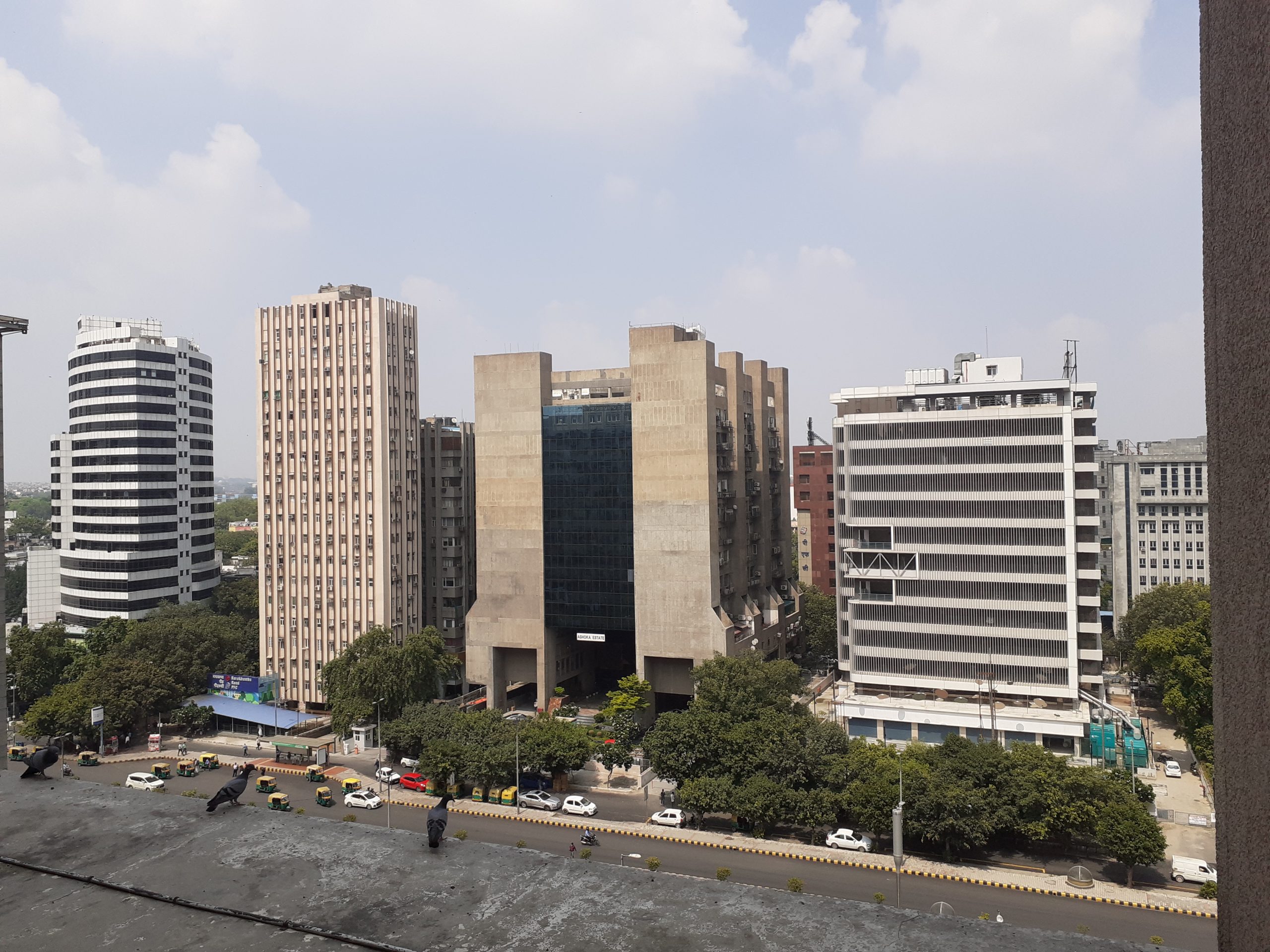
Grade B buildings fill that crucial middle ground in Delhi’s office market. While they might not have the fancy amenities or sprawling food courts you’ll find in Grade A developments, smart landlords are pouring money into upgrades that matter. Many buildings in areas like Nehru Place and Mohan Cooperative have modernized everything from their lobbies to their power backup systems, creating spaces that work for modern businesses.
Empty Spaces Mean Opportunities
Delhi’s Grade B buildings still show an 18% availability rate, barely budging from the pandemic peak of 20%. While Grade A sits at 12%, this gap tells an interesting story.
Many Grade B buildings struggle simply because their owners haven’t invested in necessary updates. But forward-thinking landlords see the opportunity. Properties near major Metro stations and prime spots like Connaught Place lead the pack in occupancy rates. Buildings in established business districts prove what works – competitive pricing paired with lease flexibility brings tenants through the door.
Final Words
The story of Delhi NCR’s Grade B buildings as we approach the end of 2024 is ultimately about adaptation, both for the buildings themselves and the companies moving into them. While headlines focus on empty office towers and luxury developments, a much more practical transformation is happening in these buildings. They’re becoming home to organizations that, just a few years ago, would never have considered Central Delhi an option – not because these companies are dreaming bigger, but because they’re thinking more intelligently about what they genuinely need.
What’s happening in these buildings points to a broader change in how we think about office space in Delhi NCR. The old measures of success – the gleaming lobby, the prestigious address, the floor-to-ceiling windows – still matter, but there’s also more of a priority on practical concerns about commute times, flexible leases, and cost per square foot. More and more companies are discovering that they can have a location without luxury and accessibility without excess, and these practical spaces are quietly redefining what it means to have a Delhi office. In doing so, they’re not just changing where companies work – they’re changing how the city works.